POWER CABLES · RENTAL GUIDE
Power Cable Rentals: What You Need to Know Before Your Event or Project
A practical guide to planning cable requirements, routes, connectors, and protection before your equipment arrives.
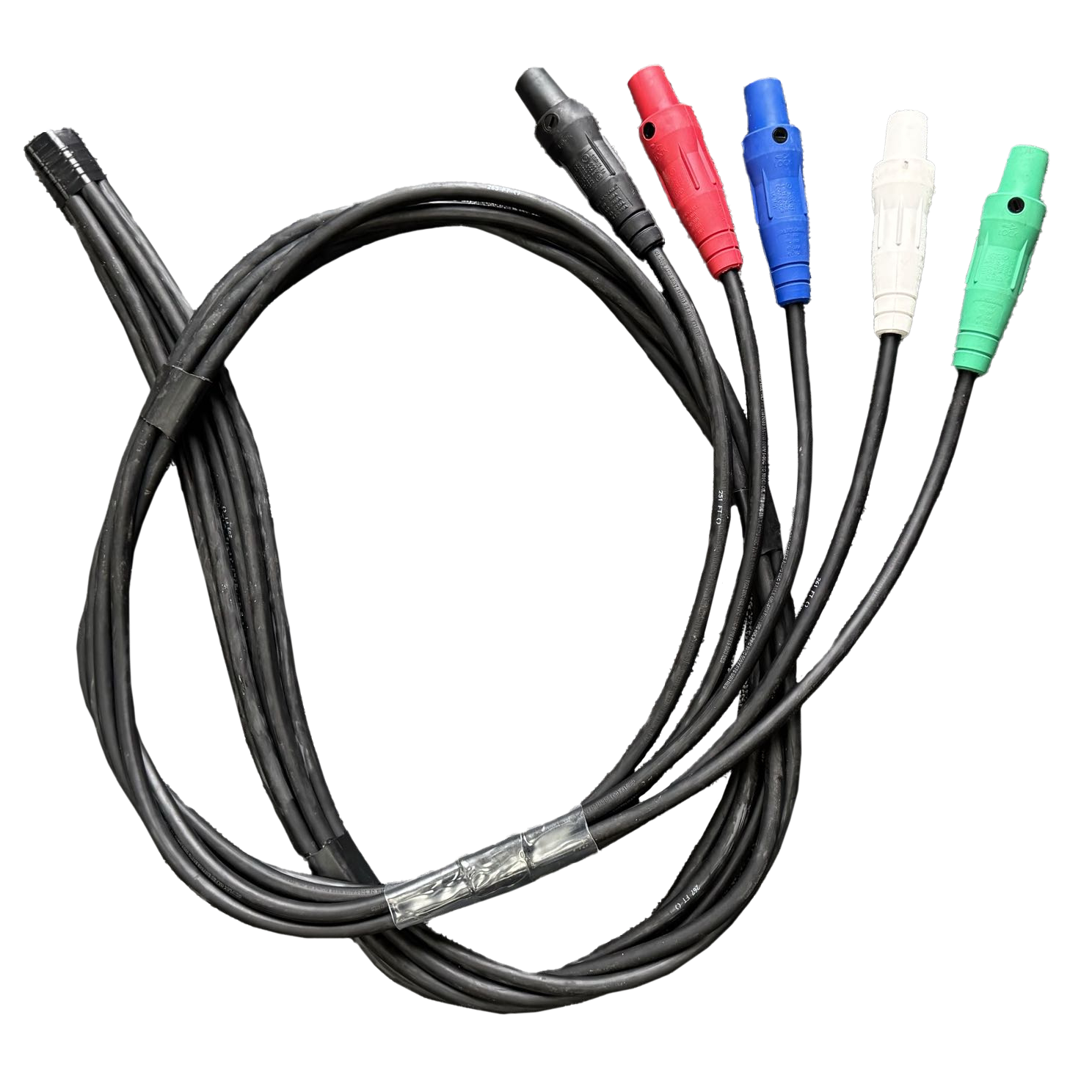
Temporary power is a critical part of many events and projects. Concerts need power for production equipment and lighting. Construction sites need temporary electrical distribution. Film sets rely on power for cameras, lighting, and production equipment.
When permanent electrical infrastructure is not available or practical, renting power cables can provide the temporary equipment needed to keep a project moving.
But choosing the right power cable is about more than simply getting enough cable length. Your power requirements, environment, layout, and installation conditions all need to be considered before equipment arrives on site.
What Are Power Cable Rentals Used For?
Power cable rentals are commonly used when electrical power needs to be distributed temporarily across a site.
Typical applications include:
- Concerts and live events
- Festivals
- Construction projects
- Film and television productions
- Sporting events
- Corporate events
- Temporary installations
- Industrial projects
Renting can be especially useful when the power requirements are specific to a single project or when purchasing and storing large quantities of cable would not be practical.
Why Rent Power Cables Instead of Buying?
The right decision depends on how frequently your organization needs temporary power equipment.
For short-term or occasional projects, renting can eliminate the need to purchase equipment that may sit unused between jobs.
Flexible Quantities
Project requirements can vary significantly. One event may require a relatively small amount of cable, while a large production may need extensive temporary power distribution.
Renting allows you to match the amount of equipment to the specific project.
Avoid Long-Term Storage
Heavy-duty power cables can take up significant storage space.
With rental equipment, you receive the cable for the duration of your project and return it when the job is complete.
Reduce Equipment Ownership Responsibilities
Owning equipment means managing storage, maintenance, inventory, and replacement.
Renting can simplify those responsibilities for temporary applications.
How to Determine What Power Cable You Need
Before requesting a rental quote, gather as much information about your project as possible.
1. Determine Your Power Requirements
The equipment being powered will determine the electrical requirements of your temporary setup.
Make a list of the equipment that will be connected and work with the appropriate qualified electrical professionals to determine the required cable specifications.
Do not select cable solely based on physical size or appearance. Electrical requirements, ratings, connectors, and the intended application all matter.
2. Determine the Required Cable Length
Measure the approximate distance between the power source and the equipment that needs to be powered.
Avoid estimating based solely on a straight line. Cable routing may need to follow the perimeter of a site, pass around equipment, or cross designated pathways.
It is generally better to plan the cable route before determining how much cable you need.
3. Consider the Installation Environment
Temporary power cables may be used indoors or outdoors and can be exposed to demanding conditions.
Outdoor applications may involve rain, moisture, dirt, temperature changes, and heavy traffic.
Your rental provider should know how and where the cable will be used so the appropriate equipment can be selected.
4. Identify the Connectors You Need
Power systems can use different connectors and configurations depending on the application.
Before ordering equipment, determine what connectors are required on each end of the cable and whether additional accessories, splitters, or adapters will be needed.
Providing this information when requesting a quote can help prevent compatibility issues during setup.
Protecting Power Cables on the Ground
Simply having the right cable does not eliminate the need for proper cable management.
If cables must cross walkways, driveways, roads, or other active areas, cable ramps can provide an additional layer of protection.
Cable ramps help:
- Protect cables from foot and vehicle traffic
- Create defined crossing points
- Reduce trip hazards
- Keep cable runs organized
- Improve the overall layout of a temporary installation
For larger events and job sites, cable ramps can be an important part of the overall temporary power plan.
Power Cable Rentals for Events
Live events can require significant amounts of temporary electrical infrastructure.
Audio equipment, lighting, video systems, staging, vendor equipment, and other event systems may all require power.
Because these installations are temporary, event teams need equipment that can be delivered, installed, used, and removed according to a strict schedule.
Planning your cable requirements early can help prevent delays during event setup.
When requesting a rental quote, provide:
- Event location
- Event dates
- Expected rental period
- Approximate cable lengths
- Number of cable runs
- Power requirements
- Connector requirements
- Indoor or outdoor use
- Areas where cables will cross traffic
The more information you can provide, the easier it is to identify the appropriate rental equipment.
Power Cable Rentals for Construction
Construction projects often rely on temporary power before permanent electrical systems are available.
Power may need to reach tools, temporary buildings, lighting, equipment, and other parts of the site.
Construction environments also introduce additional challenges. Cables may be exposed to vehicles, equipment, workers, dirt, moisture, and changing site conditions.
Planning cable routes and protected crossings in advance can help keep temporary power infrastructure organized as the project progresses.
Power Cable Rentals for Film and Production
Film and television productions can require temporary power across locations that were not designed around production equipment.
Lighting, cameras, monitors, audio equipment, trailers, and other production systems may need to be positioned throughout a location.
Cable rentals can provide temporary infrastructure without requiring permanent modifications to the location.
Cable ramps can also be useful when production cables need to cross pedestrian pathways or areas where vehicles and equipment will move.
Planning Your Rental
A successful temporary power setup starts before the equipment arrives.
Create a basic site plan showing:
- Power sources
- Equipment locations
- Cable routes
- Pedestrian pathways
- Vehicle pathways
- Cable crossing locations
- Areas requiring cable ramps
This gives your rental provider a clearer picture of the project and can help identify equipment requirements before delivery.
CableFleet Power Cable Rentals
CableFleet provides reliable power cables, cable ramps, and accessories for temporary events and projects.
Our rental process is designed to keep things simple:
Request a quote → Delivery & setup → Pickup & return
We offer flexible daily, weekly, and monthly rental options for construction sites, live events, film productions, and other temporary applications.
If you are planning a project that requires temporary power or cable protection, request a quote from CableFleet or call (866) 578-7008.
CableFleet can help you plan the equipment needed to keep your project organized, protected, and moving forward.